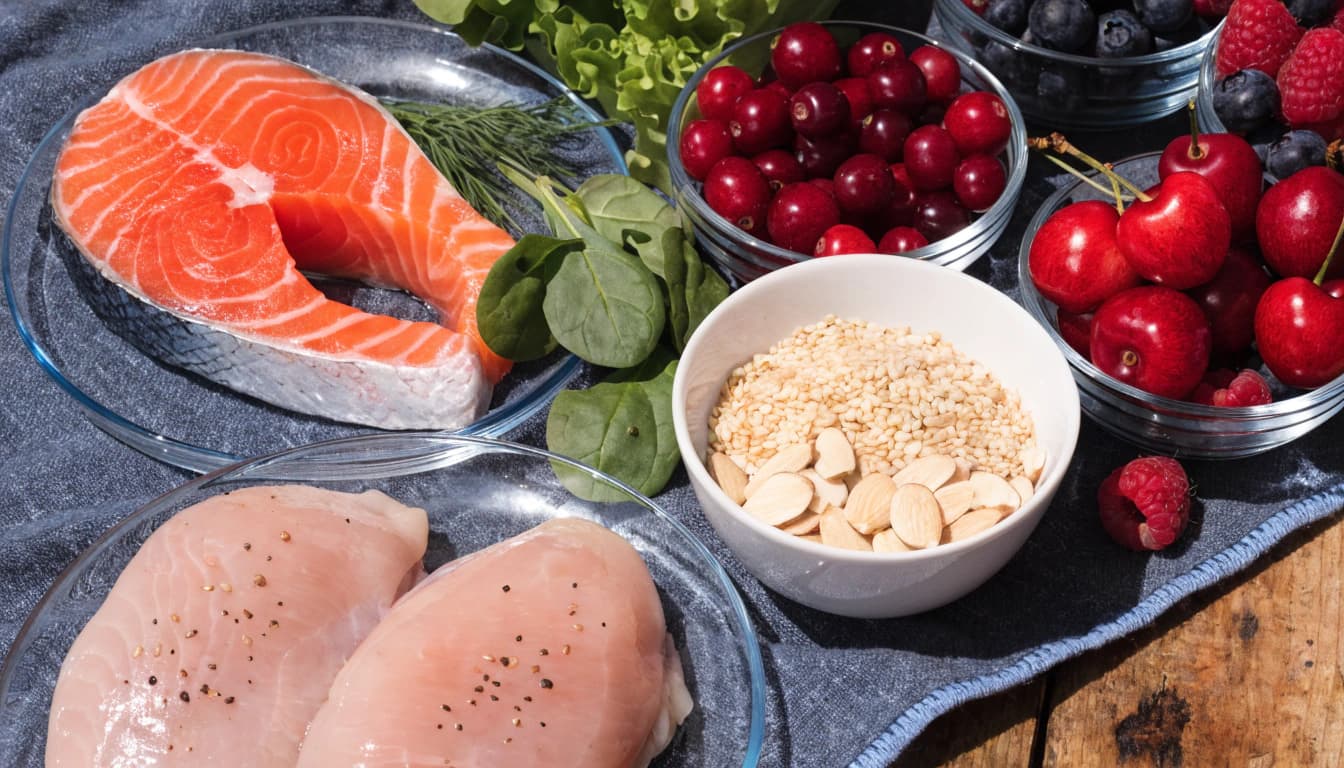
Starting the keto diet and feeling terrible? You are not alone — and you are not doing it wrong.
The keto flu is a collection of symptoms that affect many people in the first 3–7 days of a ketogenic diet. It feels like the flu. It is not the flu. And unlike the actual flu, you can resolve it within 24–48 hours if you know what to do.
What Is the Keto Flu?
The keto flu is a group of symptoms caused by electrolyte depletion and metabolic adaptation that occur when you significantly reduce carbohydrate intake.
The symptoms typically begin 1–3 days after starting keto and can include:
- Headaches (often the first symptom, and the most common)
- Fatigue and low energy — feeling unusually tired even with adequate sleep
- Brain fog — difficulty concentrating, slow thinking, forgetfulness
- Irritability and mood changes — an unusual crankiness that seems disproportionate
- Muscle cramps — especially in the calves and feet, often at night
- Nausea — mild to moderate, sometimes worse in the morning
- Dizziness and lightheadedness — particularly when standing quickly
- Heart palpitations — a fluttery or fast heartbeat, usually benign
- Constipation or diarrhea — gut motility shifts during dietary transitions
- Difficulty sleeping — despite feeling exhausted during the day
Not everyone gets all of these. Many people get only one or two, mildly. A small percentage feel nothing at all. But if you are reading this article, you are probably in the group that is suffering through it right now.
What Causes the Keto Flu?
There are two primary mechanisms, and understanding them tells you exactly how to fix them.
1. Electrolyte Loss
When you cut carbohydrates, insulin drops rapidly. Insulin signals the kidneys to retain sodium. When insulin falls, the kidneys switch to excreting sodium — and sodium takes water with it.
In the first few days of keto, you can lose 2–4 kg of water weight. That water loss carries enormous amounts of electrolytes with it:
- Sodium — lost directly through increased urine output
- Potassium — lost as the kidney compensates for sodium loss
- Magnesium — lost through urine; also depleted by stress and sugar restriction
Every symptom of the keto flu maps directly onto electrolyte deficiency:
| Symptom | Primary Deficiency |
|---|---|
| Headache | Sodium, magnesium |
| Fatigue | Sodium, potassium, magnesium |
| Muscle cramps | Magnesium, potassium |
| Heart palpitations | Potassium, sodium |
| Dizziness | Sodium |
| Brain fog | Sodium, magnesium |
| Nausea | Sodium |
This is why the keto flu is almost entirely preventable — but almost nobody tells beginners about electrolytes before they start.
2. Metabolic Adaptation
Your body has spent years (possibly decades) running primarily on glucose. The enzymes and cellular machinery needed to efficiently burn fat are present but underutilised. Ramping up fat oxidation takes time — typically 2–4 weeks for meaningful adaptation, up to 12 weeks for full fat adaptation.
During this transition, your cells are not yet efficient at producing energy from fat. You have reduced your primary fuel (glucose) but have not yet fully unlocked your backup fuel (fat and ketones). This temporary energy gap is a real contributor to fatigue, especially during exercise.
The good news: this is a one-time adaptation. Once your mitochondria have made the switch, they stay switched.
How Long Does the Keto Flu Last?
For most people: 3–7 days if they do nothing to address it.
For people who aggressively manage their electrolytes: 24–48 hours, or sometimes no symptoms at all.
The metabolic adaptation component takes longer — 2–4 weeks for basic fat adaptation — but the acute, miserable symptoms are almost entirely driven by electrolyte loss and can be resolved very quickly.
If your symptoms last longer than 2 weeks or are severe (chest pain, extreme vomiting, heart arrhythmia), see a doctor. This goes beyond normal keto adaptation.
How to Beat the Keto Flu Fast
The Electrolyte Protocol
This is the single most important thing you can do. Start it on day one of keto — before symptoms appear.
Sodium: Add 1/2–1 teaspoon of quality sea salt or Himalayan salt to a glass of water and drink it first thing in the morning. Salt your food generously at every meal. Alternatively, drink 1–2 cups of bone broth daily — it is high in sodium and other trace minerals and easy on the stomach.
Target: 3,000–5,000mg sodium per day (more than the standard recommendation because your kidneys are now in a high-excretion state)
Potassium: Eat potassium-rich keto foods: avocados (975mg each), salmon, spinach, broccoli, mushrooms. If food sources are insufficient, consider a potassium supplement (99mg per capsule is the typical OTC dose — more than this requires a prescription in many countries).
Target: 3,500–4,700mg potassium per day
Magnesium: This is the one most people need to supplement. Food sources (nuts, seeds, leafy greens) are helpful but often not sufficient during adaptation. Take 300–400mg magnesium glycinate or magnesium malate before bed. These forms have superior bioavailability and less laxative effect than magnesium oxide.
Target: 300–500mg supplemental magnesium per day
Electrolyte drinks: Commercial electrolyte powders can help, but check the label. Many contain sugar. Look for products that are sugar-free and contain meaningful amounts of sodium, potassium, and magnesium — not just sodium.
Hydration
Drink more water than you think you need. The guideline "drink when thirsty" breaks down during keto adaptation because your thirst mechanism is temporarily dysregulated. Aim for 2.5–3.5 litres of water per day.
Importantly, hydration without electrolytes can make things worse — plain water dilutes sodium further. Always hydrate with salt.
Eat More Fat
Counterintuitive, but critical: if you feel terrible in the first week of keto, you may not be eating enough fat.
Many people reduce carbs and fat simultaneously (out of habit or misguided calorie restriction). This leaves them with no viable fuel source — glucose is gone, but fat intake is too low to compensate. The result is genuine energy deprivation.
On keto, fat is your fuel. Do not be afraid of it. Eat butter, olive oil, fatty meats, avocado, and nuts freely. Your calorie intake should be close to your normal level — just from fat instead of carbs.
Do Not Restrict Carbs Too Slowly
Some resources suggest "gradually reducing carbs" to avoid the keto flu. This typically does not work — it prolongs the transition period without ever fully eliminating symptoms, and you never enter ketosis properly.
A clean, cold-turkey reduction to under 20g net carbs per day is more effective. Yes, you may feel rough for a few days. But you will be through it, fully in ketosis, and feeling the benefits within a week rather than dragging out a semi-miserable in-between state for weeks.
Light Exercise
The temptation when you feel terrible is to rest completely. Light activity — walking for 20–30 minutes — actually helps by accelerating glycogen depletion, which speeds up ketosis. Do not push yourself to intense training during keto flu. Gentle movement is beneficial; heavy exercise at this stage can worsen symptoms and increase electrolyte loss.
Time It Right
If you have control over when you start keto, begin on a Thursday or Friday. The worst of the keto flu typically falls on days 3–5. Starting mid-week means the hardest days fall on a weekend, when you can rest, hydrate, and recover without a demanding work schedule in the way.
Keto Flu vs. Actual Flu: How to Tell the Difference
The symptoms overlap significantly, but there are distinguishing factors:
| Feature | Keto Flu | Actual Flu |
|---|---|---|
| Fever | No | Yes (often) |
| Timing | Days 1–7 of keto | Anytime, unrelated to diet |
| Response to electrolytes | Significant improvement | No improvement |
| Sore throat / runny nose | No | Common |
| Duration without treatment | 3–7 days | 5–14 days |
| Contagious | No | Yes |
If you have a fever or respiratory symptoms, you likely have an actual illness — see a doctor.
Will the Keto Flu Come Back?
Once you are fully fat-adapted (typically 6–12 weeks in), you are largely immune to the keto flu — even if you occasionally eat a higher-carb meal. Your body can flex in and out of ketosis more gracefully once it has been through the initial adaptation.
However, if you stop keto for several weeks and restart from scratch, you may experience a milder version of the keto flu again as your body re-adapts. It is almost always shorter and less severe the second time.
Managing the Keto Flu on KetoJourney
KetoJourney tracks your daily check-ins — including energy levels, brain fog, headaches, and hydration — so you can see exactly how your adaptation is progressing. The app flags warning signs, adjusts coaching guidance during your adaptation window, and sends reminders to hit your electrolyte targets.
You do not have to white-knuckle through the transition alone.